Why are PUR manufacturers increasingly switching to magnetically coupled gear pumps?
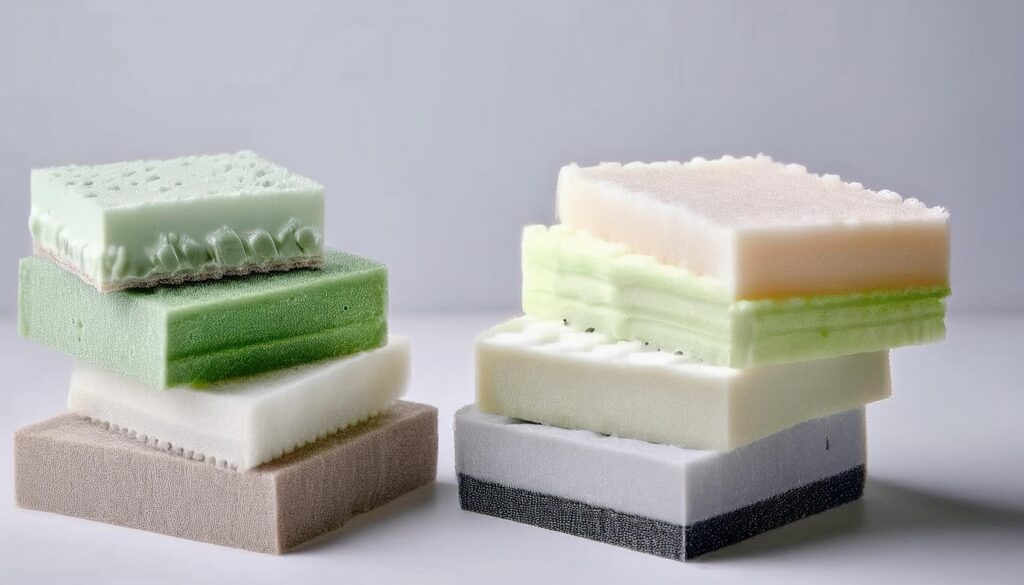
Polyurethane foam is everywhere—from mattresses and car interiors to insulation boards and cold store walls. Yet few people realize just how critical the production process is. The quality of the end product stands or falls on a single factor: the dosage of the raw materials. A fraction too much or too little polyol, isocyanate, or additive, and the foam no longer meets the requirements. Rejection, downtime, and loss of margin are the result.
For process engineers and maintenance teams, this is a daily reality. The question is not whether you take dosing seriously—but how best to ensure it.
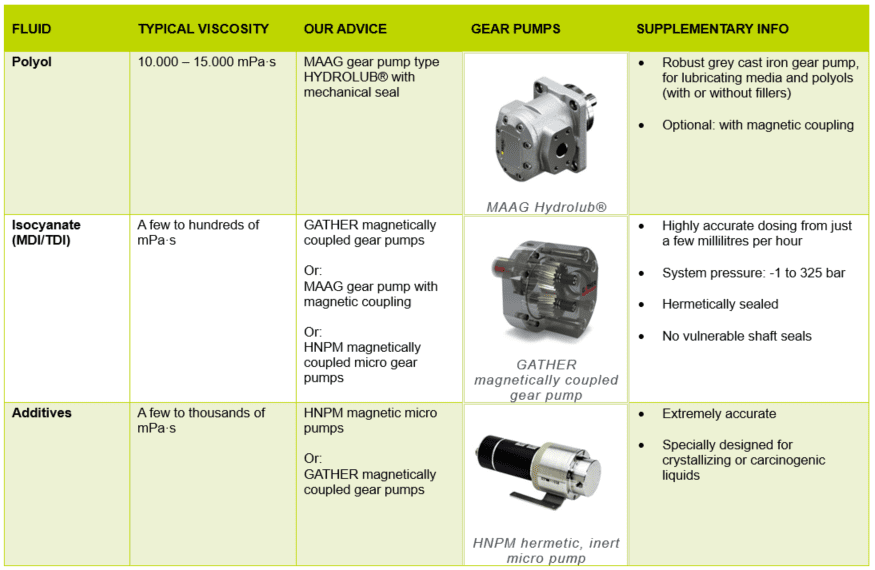
In PUR production, two main components—polyol and isocyanate—are combined with additives (colorants, flame retardants, plasticizers, amines, silicones, etc.) in a mixing head. The reaction is exothermic and takes place at lightning speed: a foam block forms within seconds. Variations in the feed directly result in uneven foam structure, differences in density, and product rejection.
Traditional metering pumps, such as diaphragm or plunger pumps, inherently deliver a pulsating flow. This requires additional pulsation dampers, more control technology, and more frequent maintenance. Furthermore, isocyanates present an additional challenge: they are toxic, moisture-sensitive, and, in the event of a leak, can crystallize in seals—resulting in unplanned downtime.
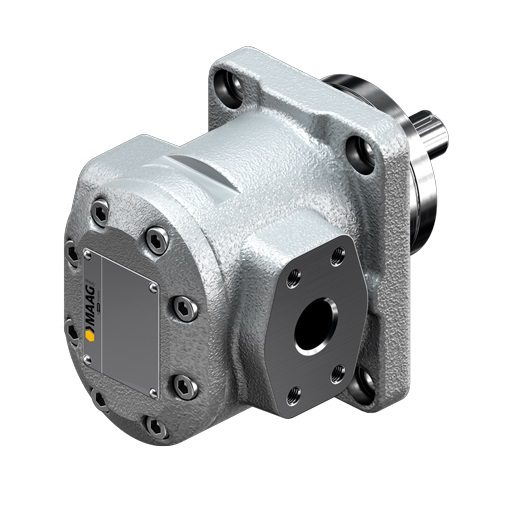
Gear pumps operate in a fundamentally different way. Two meshing gears transport the fluid continuously and without pulsation from the suction side to the discharge side. No external pulsation damper is required. The flow rate is linearly proportional to the speed, which makes dosing particularly predictable and accurate, even at flow rates of just a few milliliters per hour.
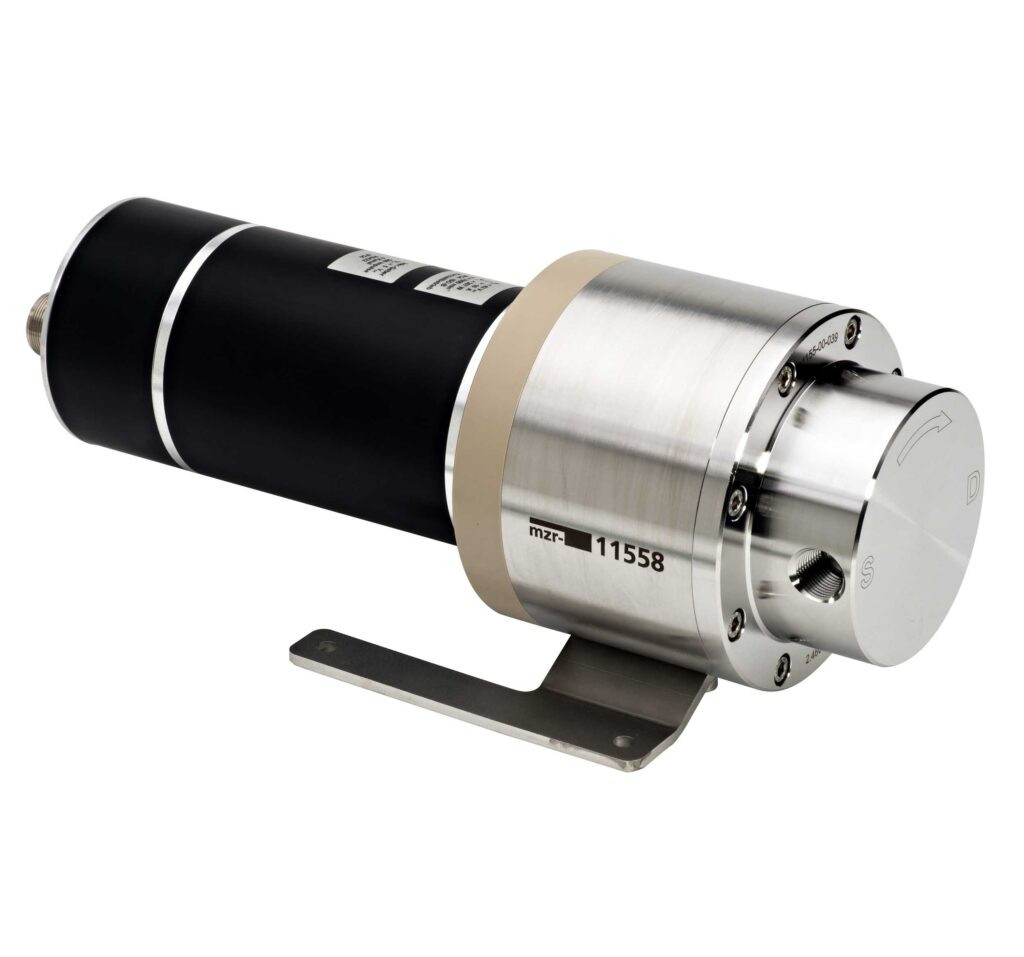
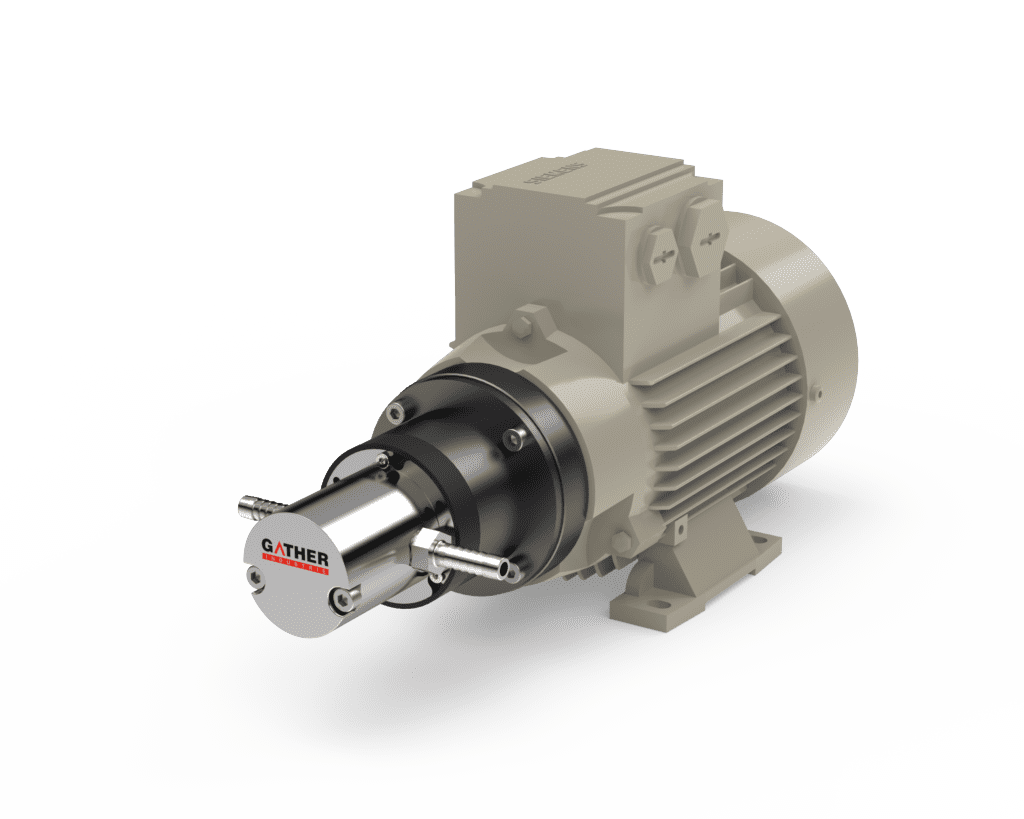
By fitting the gear pump with a magnetic coupling, the conventional shaft seal is eliminated entirely. There are only static seals. The motor (with an external magnet) drives the driven shaft via the internal magnet using a magnetic field, separated by a hermetically sealed magnet housing.
The result: zero leakage, no exposure of operators to hazardous substances, and no ingress of moisture that could cause undesirable side reactions.
Every PUR line has its own unique requirements in terms of material, temperature, pressure, and flow rate. Suurmond configures pump systems precisely to match these needs, from pump housing selection and gear materials to shaft sealing and drive systems (variable-speed motors, optionally with a gearbox).
This level of precision delivers tangible returns: longer service life, reduced downtime, and improved product quality. Whether optimizing the performance of an existing installation or ensuring a new system operates flawlessly from day one, Suurmond provides a solution engineered for lasting results.
Would you like to know which pump configuration is best suited to your PUR process? Please get in touch for a no-obligation process analysis.
In modern foam production lines, the gear pump is combined with a flow meter in a closed-loop control system. The pump delivers a stable base flow, whilst the flow meter measures the exact flow rate and adjusts the speed as required. The result: maximum process stability, minimal deviations, and optimal raw material consumption.
We would be happy to advise you on selecting the most efficient flow meter for your process and ensuring it is correctly sized. We are not tied to any particular brand. Please let us know what you’re looking for—we’d be happy to help.
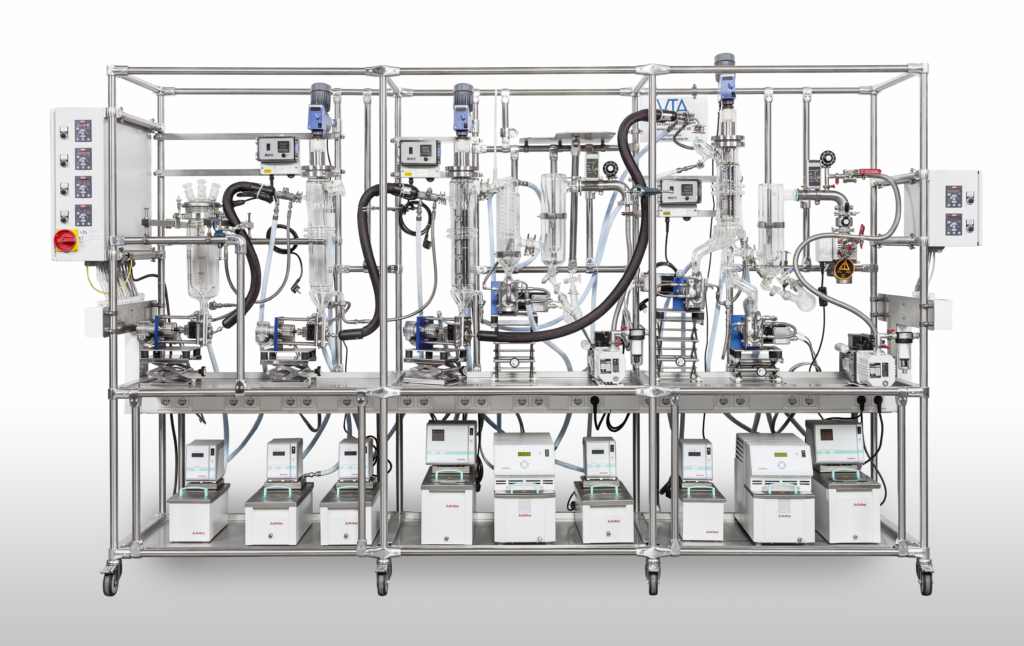
Suurmond is also a partner of VTA/UIC, which designs and supplies equipment for reducing free monomers in isocyanates and polyurethane prepolymers using advanced thin-film and short-path distillation (WFE and SPE). Testing and contract distillation are also available.
Start your PUR production with the highest quality raw materials! Ask our specialists about the possibilities.
More information & advice